Aircraft Financing 101: The 3 Critical Details Lenders Need Upfront
27th March 2026
By AOPA Finance Team
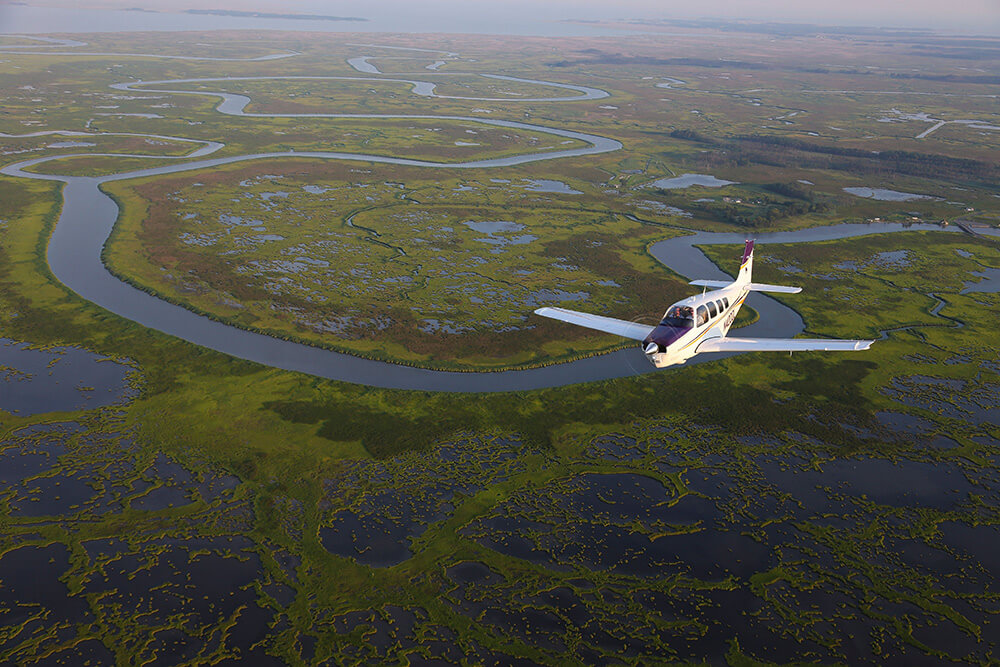
From ownership structure to usage plans and damage history, these key factors can make—or break—your aircraft loan approval and timeline.
The three most important pieces of information you need to share with your aircraft lender are: the intended ownership structure, your intended use, and any damage history.
Ownership Structure
Whether it goes low and slow, high and fast, or somewhere in between, aircraft financing is considered a type of luxury financing, making it a high-touch, deep-dive transaction. Part of that deep dive includes understanding and being comfortable with who is guaranteeing the loan. Individual ownership is simple and straightforward. Owning an airplane through a special-purpose entity like an LLC or setting up a trust to own the aircraft adds layers of complexity. All individuals in the chain of ownership must be financially vetted for the loan. Most lenders will require that at least one person in the chain of ownership provide a personal guaranty on the loan. This stipulation may also apply to corporations, depending upon their structure. At AOPA Finance, we have lenders that can handle all sorts of options, from a simple structure all the way up to a multi-layered business ownership structure.
The ownership structure will often dictate documentation requirements and influence the timeframe for approval and closing. Changing how you want to own the aircraft can disrupt the timeline and add additional complexity to the approval process. For some lenders, a change in ownership structure may even prevent the lender from making a loan. The takeaway is to discuss aircraft ownership with your financial and legal advisors before you get financing in place.
Intended Use
Usage matters to lenders because it affects the aircraft’s residual value and will often impact the overall condition and maintenance requirements. Understanding the complete picture of your intended use will help the lender identify the most appropriate way to structure the loan.
Let’s say you want to use your aircraft in some commercial capacity. Whether it’s a part-time leaseback or a full-time commercial operation, the lender will assume the aircraft is being flown more frequently than if it were for personal-use only. In this case, the lender will likely adjust the rate, terms, and down payment to account for the additional use and lower expected residual value.
Some lenders are limited to financing aircraft for personal-use only. Most people who buy an aircraft for personal use probably aren’t flying more than 50-100 hours per year. When a lender structures a loan based on personal-use assumptions, the risk profile is different from that of commercial use. In the event the risk profile changes, the lender then has to re-evaluate the loan, and if it is within the lender’s capabilities, determine what the appropriate loan structure will be.
For example, a prospective buyer who suddenly plans to lease the aircraft to a flight school completely changes the risk profile from a low-use, low-risk profile to a high-use, higher-risk profile. Annual usage in a flight school could easily reach 500 hours or more. The more an airplane is flown, the greater the risk that a personal-use loan structure will allow the loan balance to exceed the aircraft value. The last thing a lender wants to be is upside down in the aircraft, value-wise. Too risky.
Damage History
The average age for general aviation aircraft is around 50 years old. The older an aircraft is, the more likely it is to have suffered minor or major damage. That’s especially true for retractable gear aircraft.
Some lenders have a “no damage history” policy, which precludes them from financing aircraft with damage history. Others simply need to understand the nature of the damage and how it was repaired before making a final decision. We recommend searching the FAA and NTSB databases, as well as reviewing the aircraft logbooks for damage history or major repair entries. The existence of damage history can influence which lending options are available, even if the incident wasn’t reported to the FAA or reviewed by the NTSB.
It’s important to discover any information about previous damage as early as possible in the purchasing process. We can work with you and the lender to assess what challenges may arise from damage history, and thus what financing options remain open to you.
Great advice. Great rates. Helpful and responsive reps you can trust. Three good reasons to turn to AOPA Aviation Finance when you are buying or refinancing an airplane. If you need a dependable source of financing with people who are on your side, just call 800.62.PLANE (800.627.5263), or click here to request a quote.
AOPA Finance Team
Knowledgeable and friendly aircraft finance professionals you can trust to find the best terms for your financing needs. Our goal is to make aircraft ownership more affordable and accessible to pilots.