The Do’s and Don’ts of Pre-Buy Inspections
26th March 2026
By AOPA Finance Team
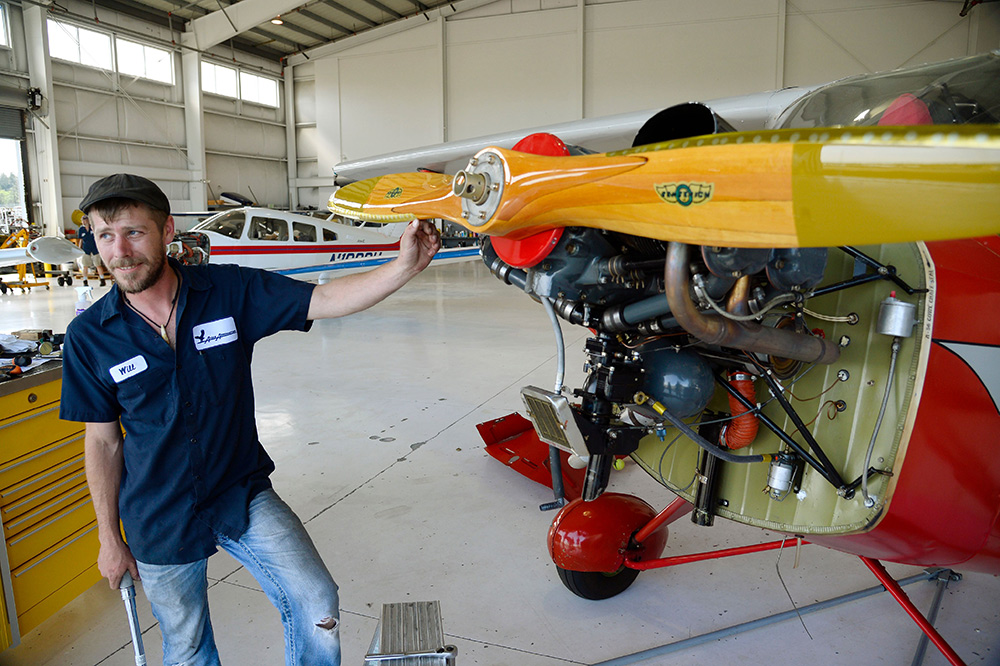
What to do—and avoid—when evaluating an aircraft before purchase
A pre-buy inspection is one of the most important steps in the aircraft purchasing process. It provides insight into the condition of the airplane and can help identify issues that may not be immediately visible. Skipping this step can lead to costly surprises after closing.
Do: Always get a pre-buy inspection
No matter how familiar you are with the aircraft—or even if you’ve flown it before—a pre-buy inspection is essential. It offers an objective evaluation of the aircraft’s condition and helps uncover hidden issues such as corrosion, deferred maintenance, or incomplete records.
Don’t: Use the seller’s mechanic
It’s important to choose an independent, qualified mechanic or shop that has no prior relationship with the aircraft. This ensures an unbiased inspection and reduces the risk of overlooking potential issues. Ideally, the mechanic should also have experience with the specific make and model you’re considering.
Do: Clearly define the scope of the inspection
There is no universal standard for what a pre-buy inspection must include, so it’s critical to establish expectations upfront. Work with your mechanic to determine what systems, records, and components will be evaluated to avoid misunderstandings later.
Don’t: Assume a pre-buy is the same as an annual inspection
A pre-buy inspection is not automatically equivalent to an annual inspection unless both parties explicitly agree to that level of detail. The purpose is to assess the aircraft’s overall condition and potential future expenses—not just its current airworthiness status.
Do: Take your time
Rushing through a pre-buy inspection can lead to missed issues. While market pressure may create urgency, it’s important to allow enough time for a thorough evaluation and careful review of the findings.
Don’t: Expect a perfect airplane
Every aircraft will have discrepancies. The goal of a pre-buy inspection is not to find a flawless airplane, but to understand its condition and determine whether the issues identified are acceptable based on your budget and intended use.
Do: Use the results to inform your decision
The findings from a pre-buy inspection should guide your next steps. Depending on the results, you may choose to proceed with the purchase, renegotiate the price, request repairs, or walk away from the deal entirely.
Don’t: Skip reviewing records and documentation
A thorough pre-buy inspection includes more than just the physical aircraft. Reviewing logbooks, maintenance history, and compliance with airworthiness directives is critical to understanding the full picture.
AOPA Aviation Finance encourages all buyers to approach pre-buy inspections with careful planning and realistic expectations. Taking the time to do it right can help protect your investment and ensure a smoother ownership experience.
Great advice. Great rates. Helpful and responsive reps you can trust. Three good reasons to turn to AOPA Aviation Finance when you are buying or refinancing an airplane. If you need a dependable source of financing with people who are on your side, just call 800.62.PLANE (800.627.5263), or click here to request a quote.
AOPA Finance Team
Knowledgeable and friendly aircraft finance professionals you can trust to find the best terms for your financing needs. Our goal is to make aircraft ownership more affordable and accessible to pilots.