Why a Pre-Purchase Inspection Is Essential Before Buying an Aircraft
27th March 2026
By AOPA Finance Team
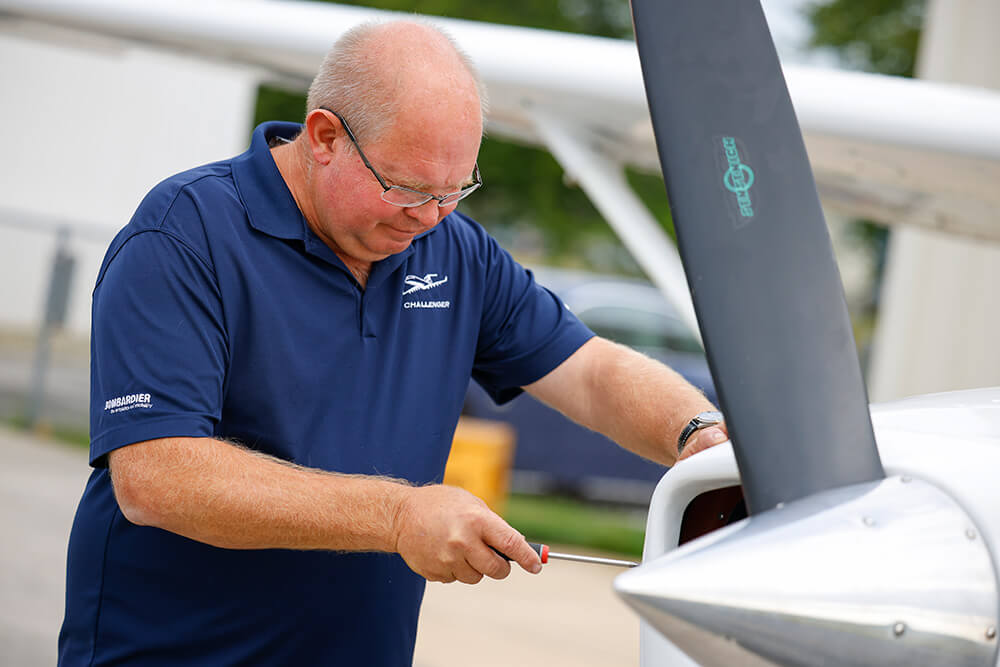
How third-party mechanics and careful red-flag checks protect buyers—and when a troubling pre-buy should make you walk away from the deal.
Generally speaking, lenders require a pre-purchase inspection as part of the financing process. We recommend using a third-party mechanic who knows the make and model well, but has not been the same person working on the subject aircraft. In cases where either the buyer or the seller is an A&P, we recommend, and lenders will often require, that someone who is outside of the buy/sell transaction perform the inspection. A third-party mechanic who is separate from the transaction helps assure there is as little bias as possible during the inspection.
If you are able to find a mechanic or service center that specializes in the aircraft you are planning to purchase, it could turn out to be an advantage for you. For example, some mechanics service centers prominently advertise their specialty in Bonanzas, Cessnas, or Cirrus aircraft. A mechanic who is a specialist in your aircraft make and model will point out the common challenges for that aircraft, which can help you in final price negotiations.
To be clear, the pre-purchase is not a maintenance inspection, nor is it an annual inspection. The purpose of the pre-purchase inspection is to confirm that the aircraft’s condition and equipment are as advertised. The inspection should confirm the annual/airworthiness status and identify current and upcoming maintenance items. If the aircraft had an annual inspection within the last 30 days, or if you have negotiated an annual inspection as part of the purchase, the annual inspection report will often meet the lender’s requirements. As the buyer, you want a pre-purchase inspection that not only meets the lender’s requirements, but also provides you with a complete picture of the aircraft’s condition.
We strongly encourage you to go see the aircraft, and if possible, take a test flight before you complete the purchase. If you are unable to do so, be sure to have detailed photos taken as part of the pre-purchase inspection. We’ve seen multiple transactions fall apart because the buyer had never seen the aircraft, and it wasn’t as advertised at the time of delivery. In one instance, hail damage wasn’t mentioned in the listing or on the pre-purchase inspection report, nor in any of the communications between buyer, seller, and mechanic. While it didn’t turn out to be an airworthiness issue, it adversely affected the aircraft’s curb appeal, so the buyer walked away.
Which brings up the question of when to walk away from a deal. While each transaction is unique, there are some constants. The buyer must feel comfortable about both doing business with the seller and about the aircraft.
If the seller is being pushy or is less than flexible in allowing an objective, third-party mechanic access, or is showing an unwillingness to fly the aircraft prior to delivery , these are red flag warnings. Consider pausing the process to reassess or to abandon the deal.
A non-negotiable for lenders, which should also apply to most buyers: the aircraft must be in a reasonable, airworthy condition. If the pre-purchase inspection reveals an extensive or expensive list of squawks that need fixing, especially those affecting the aircraft’s airworthiness, it is time to consider serious renegotiations or walking away.
One more thing to note is who pays for the pre-purchase inspection. Unless it’s a highly motivated seller and they’re keen on accelerating the process, the buyer typically pays for the pre-purchase inspection. If you’re stepping up to a jet or turboprop, plan on the inspection taking longer and costing more than it did for your piston aircraft. Jet and turboprop pre-buys typically are more extensive than piston pre-buys due to more complex aircraft systems. In all cases, we always recommend making the entire purchase contingent on a satisfactory pre-purchase inspection.
Great advice. Great rates. Helpful and responsive reps you can trust. Three good reasons to turn to AOPA Aviation Finance when you are buying or refinancing an airplane. If you need a dependable source of financing with people who are on your side, just call 800.62.PLANE (800.627.5263), or click here to request a quote.
AOPA Finance Team
Knowledgeable and friendly aircraft finance professionals you can trust to find the best terms for your financing needs. Our goal is to make aircraft ownership more affordable and accessible to pilots.