Aircraft Leaseback Financing: How It Differs From a Personal-Use Loan
11th September 2026
By AOPA Finance Team
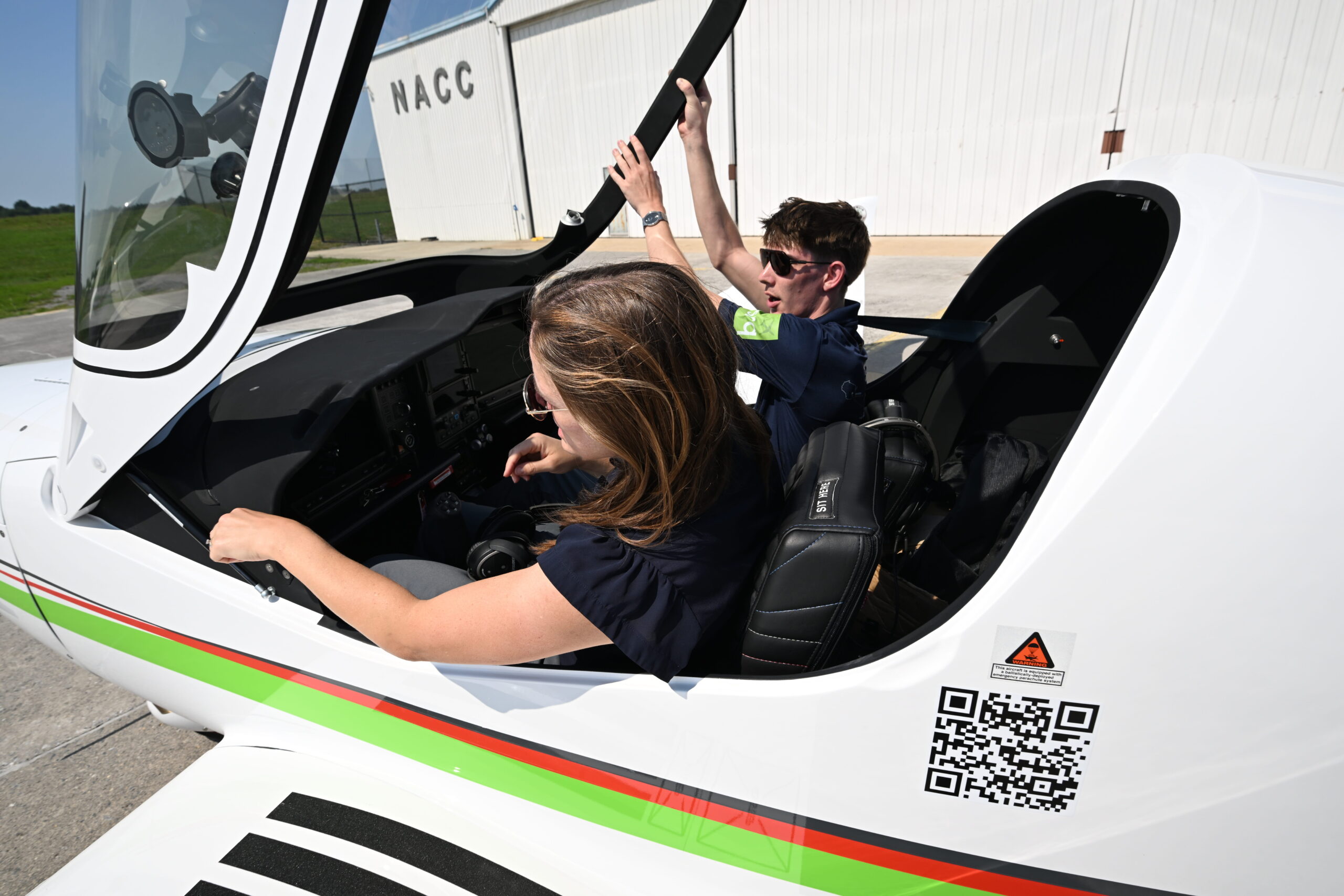
It’s become increasingly common for some pilots to purchase an aircraft with the intention of putting it on leaseback to a flight school or a flying club. Doing so is one way to maximize the aircraft’s utility. It’s also a way to potentially recoup the monthly nut or even profit slightly. However, financing an aircraft for that purpose is not the same as financing an aircraft for strictly private use.
The lender is using the aircraft itself as collateral for the loan, so from that perspective, the value aircraft matters to them a lot. Leasing back an aircraft necessarily increases the number of hours it’s flown annually. Flight hours for aircraft on leaseback are typically much higher than the 50 to100 hours a year common on most personal aircraft. Those additional hours can have a significant impact on the value of the aircraft over time.
Given standard loan amortization tables, the lender must be comfortable that the loan to value will remain within acceptable levels during the loan term. There are a few ways lenders adjust the loan terms to account for faster depreciation on leaseback aircraft.
One way lenders mitigate this risk is to require a larger down payment. Whereas personal-use piston aircraft loans might require 15%-20% down, a loan for an aircraft to be put on leaseback may require 25%-30% down.
The length of the loan term is also an adjustment lenders may consider. An otherwise 20-year loan might be shortened to 15, 12 or even 10 years. This is designed to increase the principal portion of the payments on the loan and keep that loan balance below the expected residual value of the aircraft.
Another common adjustment we see is for the lender to bump up the interest rate. This option doesn’t protect against increased depreciation rates, but it does help the lender justify the perceived risk with leaseback financing.
Some lenders may also limit the number of leaseback hours flown annually. The more the aircraft flies, the more frequently it will need its engine(s) overhauled or other maintenance. A limit on annual flight hours can help stretch out the time between shop visits and the resulting down time. Thankfully, leaseback hour limits are separate from the owner’s personal use.
Regardless of what additional security measures a lender puts in place, they will require a personal guarantee on the loan. It’s true that putting an aircraft into a leaseback arrangement with a flight school or flying club might yield sufficient income to cover servicing the loan. But it also might not. That’s why lenders focus more on the owner’s ability to make the loan payments than the potential revenue from the leaseback.
How one structures the aircraft ownership, what entity the leaseback arrangement is with, and the details in the leaseback agreement are also of interest to lenders. Is ownership through a purpose-built LLC or an individual? Does the leaseback agreement codify who is responsible for maintenance, aircraft management, etc.? If you are a PPS member with AOPA, these are great topics to discuss with our Legal Services Plan attorneys. Once the leaseback agreement is finalized, plan on providing a copy to your lender.
There are some lenders who will only finance a single aircraft to an owner, while others are willing to finance multiple aircraft to the same owner. Regardless of your situation, AOPA Finance will make sure you get access to the right financial resource for your situation.
Great advice. Great rates. Helpful and responsive reps you can trust. Three good reasons to turn to AOPA Aviation Finance when you are buying or refinancing an aircraft. If you need a dependable source of financing with people who are on your side, just call 800.62.PLANE (800.627.5263), or click here to request a quote.
AOPA Finance Team
Knowledgeable and friendly aircraft finance professionals you can trust to find the best terms for your financing needs. Our goal is to make aircraft ownership more affordable and accessible to pilots.